A strong business idea needs more than ambition. It also needs the right funding at the right time.
A business loan can help you purchase machinery, manage seasonal demand, increase inventory or expand operations. However, borrowing without understanding the loan’s purpose, cost and repayment structure may create financial pressure instead of supporting growth.
Smart financing is not about borrowing the highest amount available. It is about choosing a loan that matches your business requirement, cash flow and repayment capacity.

What Is a Business Loan?
A business loan is money borrowed from a bank, Non-Banking Financial Company, financial institution or eligible digital lender for business-related expenses. The borrower repays the amount over an agreed period along with interest and applicable charges.
Business loans may be used for:
Purchasing inventory, stock or raw materials required for daily operations
Paying salaries, office rent, suppliers and utility expenses
Buying machinery, technology, equipment or commercial vehicles
Opening a new branch or increasing production capacity
Managing delayed customer payments and temporary cash-flow shortages
Investing in marketing, digital tools or business expansion
The purpose of borrowing should always guide the type of loan you select.
Secured and Unsecured Business Loans
A secured business loan requires the borrower to offer an asset, such as property, machinery or a fixed deposit, as collateral.
Because the lender has additional security, the borrower may receive a higher loan amount or longer repayment tenure. However, the pledged asset may be at risk if repayments are not made according to the agreement.
An unsecured business loan generally does not require a specific asset as collateral. Approval is based mainly on business turnover, profitability, banking activity, cash flow and credit history.
These loans may suit businesses that do not own suitable collateral, although the approved amount and terms depend on the borrower’s overall financial profile.
Common Types of Business Loans
Every business loan is designed for a different financial need. Understanding where each loan can be used will help you choose a suitable option and avoid unnecessary borrowing costs.

1. Term Loan
A term loan provides a fixed amount that is repaid through regular instalments over an agreed period.
It is generally used when a business has a clear and planned requirement rather than an unpredictable short-term expense.
It can help fund business expansion, renovation, new branches or additional production facilities.
The fixed repayment schedule makes it easier to estimate monthly financial obligations.
The tenure may be selected according to the purpose, loan amount and repayment capacity of the business.
It is more suitable for planned investments than recurring day-to-day expenses.
Best for: Established businesses with predictable cash flow and a clearly defined funding requirement.
2. Working Capital Loan
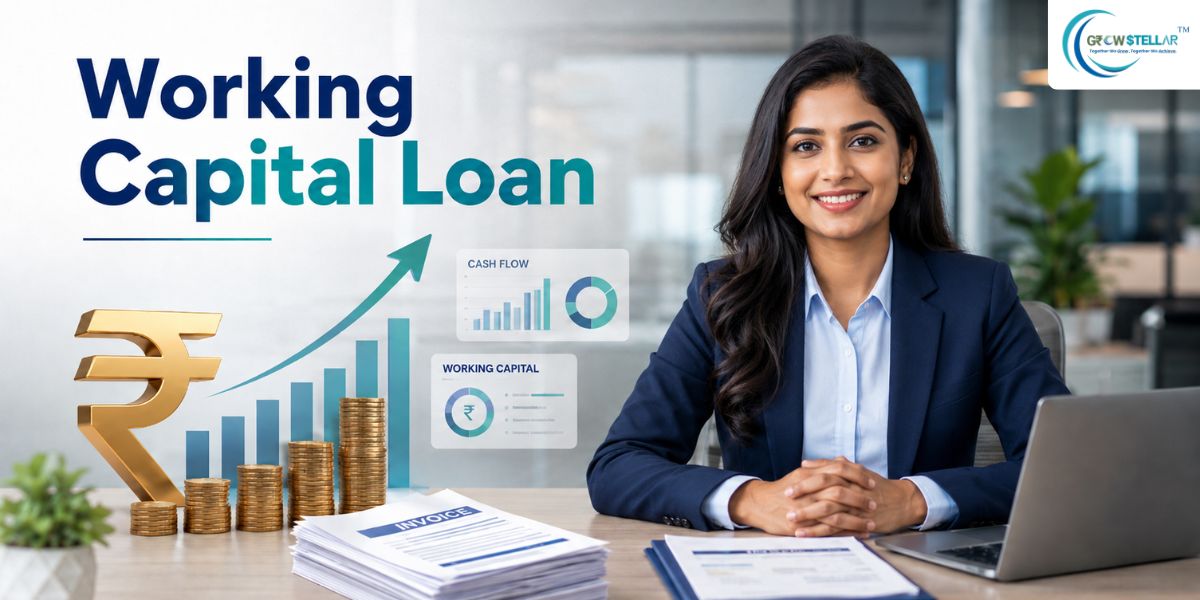
A business may be profitable on paper but still face difficulty paying immediate expenses when customer payments are delayed.
A working capital loan helps cover routine operational costs and keeps the business functioning during temporary cash-flow gaps.
It may be used for salaries, office rent, supplier payments, utility bills and inventory purchases.
It can help businesses prepare for seasonal demand without disturbing their regular cash reserves.
It is generally intended for short-term operational needs rather than buying long-term assets.
Repayment should be planned according to the business’s sales and cash-conversion cycle.
Best for: Retailers, wholesalers, manufacturers and seasonal businesses facing temporary liquidity shortages.

3. Business Line of Credit
A business line of credit provides access to a pre-approved borrowing limit.
Instead of receiving the full amount at once, the business can withdraw money whenever required, subject to the facility’s terms.
Interest is generally charged on the amount used rather than the complete approved limit.
It provides flexibility when the exact timing or amount of the business expense is uncertain.
The available limit may be reused after repayment, depending on the lender’s conditions.
Additional charges, renewal fees or minimum utilisation conditions should be checked carefully.
Best for: Businesses with recurring, irregular or unpredictable working capital requirements.

4. Cash Credit or Overdraft
Cash credit and overdraft facilities allow a business to withdraw money up to an approved limit.
These facilities provide easier access to short-term funds without requiring the borrower to apply for a fresh loan for every expense.
Cash credit may be linked to inventory, receivables or other current business assets.
An overdraft facility may be connected to a business bank account, property or another eligible security.
The funds may be used for stock purchases, supplier payments and urgent operational expenses.
The business must monitor withdrawals carefully because frequent utilisation can increase interest costs.
Best for: Businesses that regularly require flexible access to funds for short-term expenses.
5. Equipment and Machinery Finance
Buying expensive equipment with business savings can reduce the money available for salaries, inventory and daily operations.
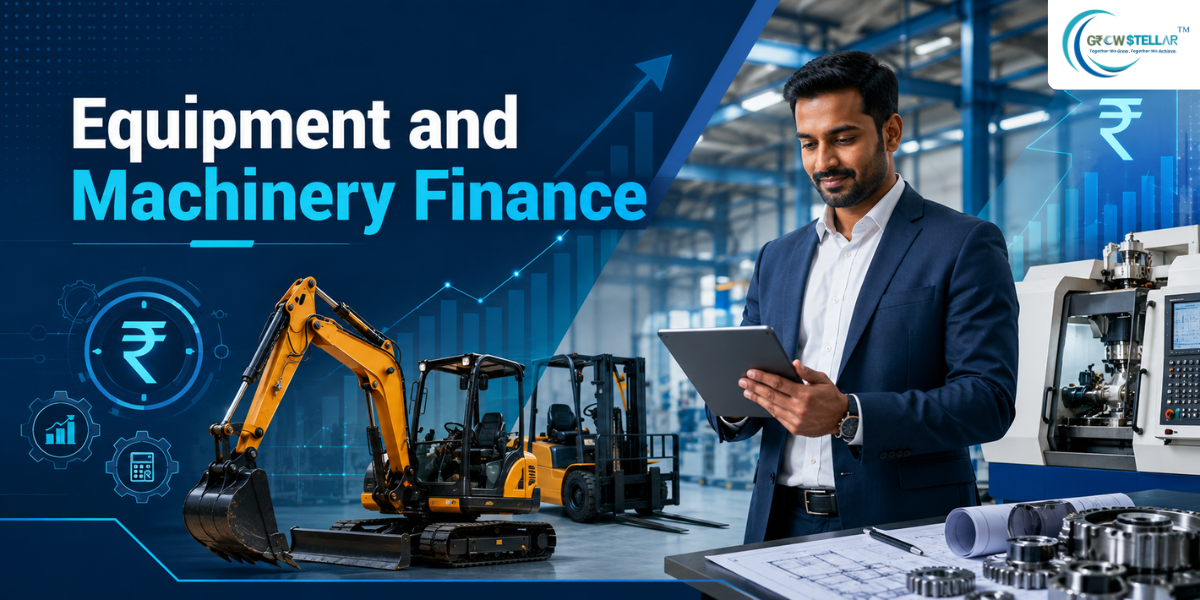
Equipment and machinery finance allows the business to spread the asset’s cost over an agreed repayment period.
It may be used to purchase industrial machinery, medical equipment, commercial vehicles or business technology.
The equipment can start generating income while the business continues paying for it over time.
In some cases, the financed asset may act as security for the loan.
The repayment tenure should ideally match the expected useful life and earning capacity of the equipment.
Best for: Manufacturing, healthcare, logistics, construction, hospitality and technology businesses.
6. Invoice Financing or Bill Discounting
Many businesses sell products or services on credit and wait several weeks or months to receive payment.
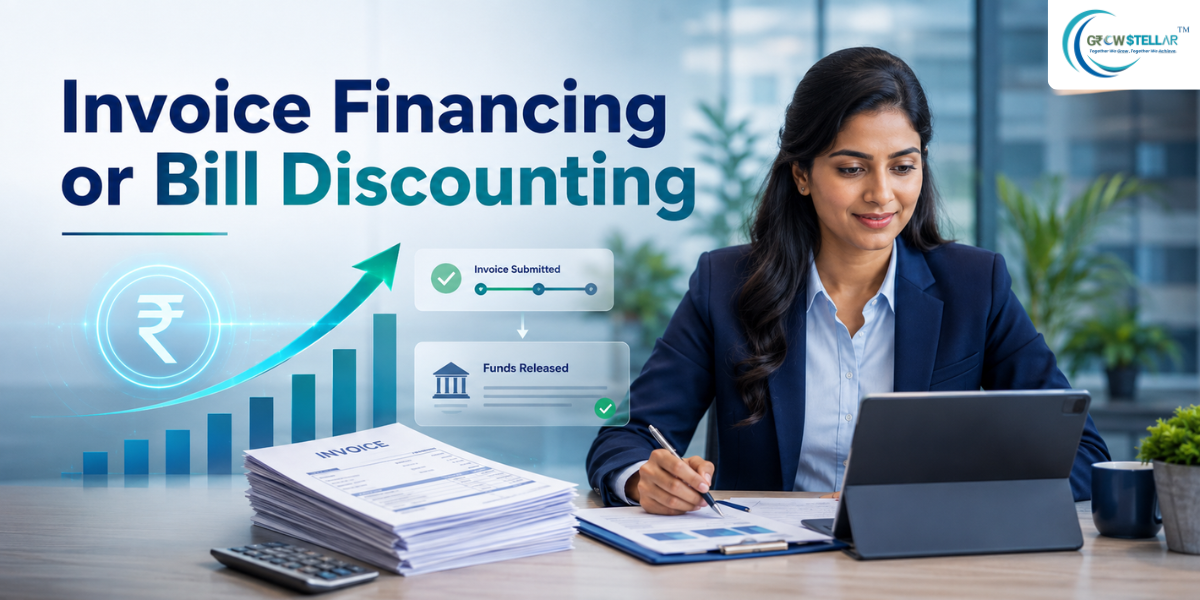
Invoice financing and bill discounting can provide earlier access to money against eligible unpaid invoices or bills.
It helps businesses manage expenses without waiting for customers to complete their payment cycle.
The funds may be used to pay suppliers, purchase materials or accept additional customer orders.
The amount available may depend on the invoice value, customer profile and lender’s assessment.
Charges and conditions should be compared because the facility may be more expensive than conventional finance.
Best for: Businesses with reliable customers but long payment cycles of 30, 60 or 90 days.
7. MSME Business Loan
MSME business loans are designed for eligible micro, small and medium enterprises.
They may support everyday operations, expansion, technology upgrades or asset purchases.
The funds may be used for machinery, inventory, renovation, marketing or working capital.
Eligibility may depend on registration, turnover, operating history, tax records and banking transactions.
Some financing programmes may provide collateral-free options to eligible businesses.
Loan amounts, interest rates and documentation requirements differ across lenders and schemes.
Best for: Small and medium businesses seeking funds to stabilise operations or support growth.
8. Loan Against Property for Business
A business owner may raise funds by mortgaging an eligible residential, commercial or industrial property.
Because the loan is secured, it may provide access to a larger amount and longer repayment period.
It may be used for business expansion, debt consolidation, machinery purchases or large projects.
The approved loan amount generally depends on the property’s valuation and the borrower’s repayment capacity.
The longer tenure may reduce the monthly instalment, but it can increase the total interest paid.
The property remains pledged until the complete loan amount and applicable charges are repaid.
Best for: Established businesses requiring substantial or long-term funding.
Benefits of Choosing the Right Business Loan
A suitable business loan can help a company:
Expand without waiting years to save the complete investment amount
Maintain operations when customer payments are delayed
Purchase machinery, equipment or inventory at the right time
Accept large orders without exhausting existing cash reserves
Preserve business ownership instead of giving up equity
Build a stronger credit profile through timely repayments
However, a loan supports growth only when the business can comfortably manage its repayment obligations.
Business Loan Eligibility and Documents
Lenders commonly assess the business’s age, annual turnover, profitability, banking activity, credit history, existing loans and repayment capacity.
Commonly requested documents may include:
PAN, identity proof and address proof
Business registration and ownership documents
GST registration, where applicable
Business bank statements
Income Tax Returns
Profit and loss statements
Balance sheets
Existing loan details
Machinery quotations, invoices or project reports
Property documents for secured loans
Maintaining complete and updated financial records can reduce unnecessary delays and help the lender assess the application properly.
Understand the Total Borrowing Cost
The interest rate is only one part of the complete loan cost.
Before accepting an offer, check the processing fee, documentation charges, legal expenses, valuation costs, insurance charges, delayed-payment penalties and prepayment conditions.
You should also confirm whether the interest rate is fixed or floating.
The loan with the lowest advertised interest rate may not necessarily be the least expensive option after all charges are included.

How to Choose the Right Business Loan
Before applying, ask the following questions:
What exact business purpose will the loan serve?
How much money does the business genuinely require?
Can repayments be managed during a slow business period?
Does the repayment tenure match the purpose of borrowing?
Is collateral available, and is the related risk acceptable?
Would flexible withdrawals be better than receiving a lump-sum amount?
For example, festive-season inventory may be financed through a working capital loan or line of credit. A machine expected to operate for several years may be better suited to equipment finance or a structured term loan.
The right option depends not only on the amount required but also on how the money will be used and repaid.
Common Business Loan Mistakes to Avoid
Avoid borrowing more than required, ignoring cash flow or choosing a loan only because it has a low advertised interest rate.
Businesses should also avoid:
Using short-term funding to purchase long-term assets
Applying to several lenders within a short period
Providing incomplete or inaccurate financial information
Ignoring processing fees and prepayment conditions
Missing instalments or making repayments after the due date
These mistakes may increase borrowing costs, delay approval and negatively affect the borrower’s credit profile.
Final Thoughts
A business loan can improve cash flow, support expansion and help a company act on valuable opportunities. However, the loan must match the business purpose, income cycle and repayment capacity.
Before borrowing, calculate the actual requirement, compare suitable products, review the total cost and read every condition carefully.
The goal is not simply to receive money quickly. It is to choose financing that supports growth without weakening the long-term financial stability of the business.
At Grow Stellar, we help business owners explore financing options according to their requirements, business profile and repayment capacity.
Looking for a suitable business financing solution?
Connect with Grow Stellar to explore available business loan options aligned with your business goals.
Disclaimer: Loan approval, amount, interest rate, tenure and other conditions are subject to the lender’s eligibility criteria, credit assessment and applicable policies. This article is intended for general information and should not be considered financial or legal advice.